
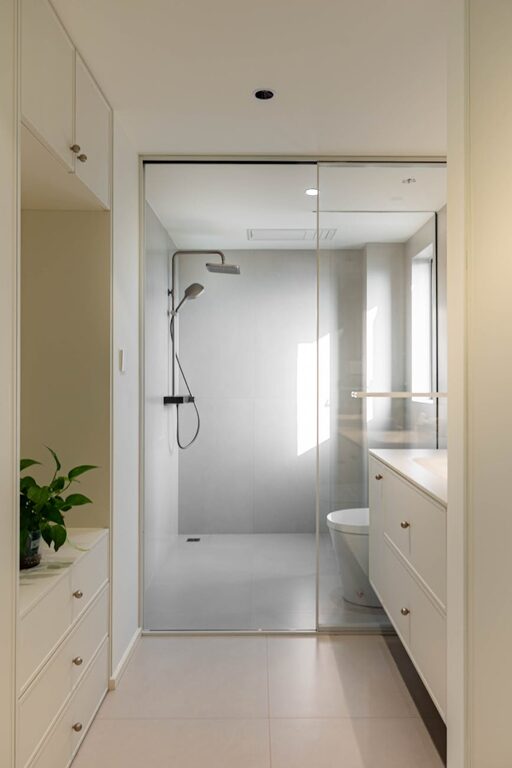
Creating a minimalist bathroom setup is a great way to transform one of the most used spaces in your home into a calm, clutter-free haven. Minimalism focuses on simplicity, functionality, and clean lines, which can make even a small bathroom feel more spacious and inviting. Whether you’re starting from scratch or looking to refresh your current bathroom, this guide will walk you through practical steps to achieve a minimalist design.
Why Choose a Minimalist Bathroom?
Minimalism is more than just an aesthetic—it’s a lifestyle choice that emphasizes quality over quantity. A minimalist bathroom offers several benefits:
– Ease of cleaning: Less clutter means fewer surfaces to dust or clean.
– Reduced stress: Clean, open spaces can promote relaxation and mental clarity.
– Timeless style: Minimalist design tends to remain stylish longer than trend-driven decor.
Step 1: Plan Your Space
Before you start purchasing new items or rearranging, take some time to assess your current bathroom.
– Declutter: Remove everything you don’t use regularly.
– Measure: Know the dimensions of your room to choose appropriately sized fixtures and storage.
– Set a color scheme: Neutral tones like white, gray, and beige create a serene atmosphere and make the space appear larger.
Step 2: Choose Simple Fixtures and Materials
The heart of minimalist design lies in clean lines and simple materials.
– Fixtures: Opt for sleek, modern faucets and showerheads with minimal detailing.
– Vanity: Choose a vanity with smooth surfaces and handle-free cabinets or drawers.
– Materials: Consider natural or matte finishes like stone, ceramic, or wood to add warmth without overwhelming the space.
Step 3: Optimize Storage Solutions
Keeping your bathroom uncluttered depends heavily on smart storage strategies.
– Built-in cabinets: Use recessed medicine cabinets or wall cupboards to save floor space.
– Floating vanities: These create an airy feel and provide hidden storage.
– Minimal accessories: Keep only essentials like soap, toothbrushes, and towels visible. Use trays or organizers to keep them tidy.
– Hooks and racks: Install wall-mounted hooks for towels and robes to prevent piles.
Step 4: Select Minimalist Accessories
Accessories add personality but should be chosen carefully to maintain the simple vibe.
– Mirrors: Choose large, frameless mirrors or those with simple frames to enhance light and space.
– Lighting: Go for recessed or slimline fixtures with soft white bulbs.
– Plants: A small, low-maintenance plant can add a fresh touch without clutter.
– Textiles: Use monochromatic towels and bath mats in natural fabrics like cotton or linen.
Step 5: Maintain a Clutter-Free Routine
The key to sustaining a minimalist bathroom is regular upkeep.
– Daily quick clean: Wipe down surfaces and put away items immediately after use.
– Monthly review: Reassess what you need and remove anything unnecessary.
– Limit products: Keep beauty and skincare products to essentials only.
Minimalist Bathroom Ideas for Inspiration
Here are some style ideas to get you started:
– Monochrome white: White walls, tiles, fixtures, and towels create a bright, open look.
– Natural wood accents: Incorporate wood elements through vanities or shelving for warmth.
– Industrial minimalist: Pair matte black fixtures with concrete or stone surfaces for a sleek, modern feel.
– Scandinavian touch: Soft gray tones with clean white and hints of natural greenery.
Final Thoughts
Building a minimalist bathroom is about creating a relaxing space where every element has a purpose. It emphasizes simplicity, organization, and calmness. By choosing the right fixtures, decluttering efficiently, and maintaining your space, you can enjoy a bathroom that feels refreshing and timeless every day.
If you’re planning a bathroom makeover, start small with decluttering and then gradually bring in minimalist elements. Over time, you’ll notice your bathroom becoming not just a functional space but a soothing retreat.